
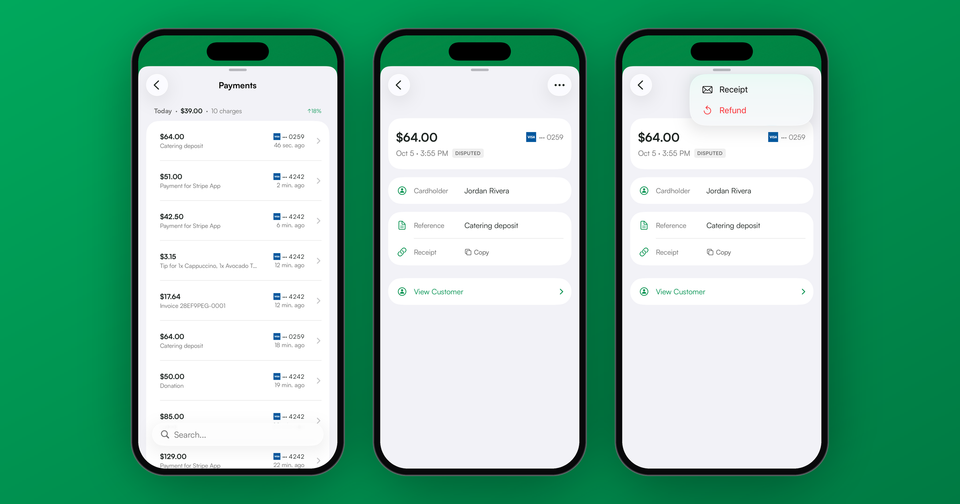
A dispute, also known as a chargeback, happens when a cardholder questions your charge with their bank. It is the most expensive kind of payment failure: unlike a decline, the money has already been in your account, and unlike a refund, it leaves whether you agree or not. This post covers what actually happens during a dispute, and what you can do about it.
What happens when a charge is disputed
The cardholder contacts their card issuer, generally up to 120 days after the charge. The issuer files a formal dispute on the card network, which immediately reverses the payment. Stripe then debits your balance for the disputed amount plus a dispute fee, which is $15 in the US. This happens at the moment the dispute is filed, before anyone has looked at evidence. Unfortunately, the fee is not returned even if you ultimately win.
Responding to a dispute
Stripe guides you through the response in the Dashboard. You'll see the dispute reason (fraudulent, product not received, duplicate, and so on) and can submit evidence: receipts, communication with the customer, proof of delivery, whatever counters the specific claim. Each dispute has a deadline set by the card network, shown in the Dashboard. Miss it, and the dispute is lost by default.
Once you submit, the card issuer decides. The wait can run several weeks to a couple of months. If you win, the disputed amount is returned to your balance. If you lose, the decision is final; there is no appeal through Stripe, although the customer can still voluntarily withdraw the dispute.
Inquiries are not disputes (yet)
Some banks open an inquiry first, a request for information without pulling funds. Respond to these quickly and thoroughly: an inquiry resolved well never becomes a dispute, and a charge can still be refunded during an inquiry, which closes the matter without a dispute fee.
How to prevent disputes
Most disputes are preventable, and prevention is worth a lot more than winning:
- Make your statement descriptor recognizable. A large share of "fraud" disputes are customers not recognizing your business name on their statement.
- Send receipts. The Payment app emails receipts with your branding; a customer who can find the receipt rarely calls their bank.
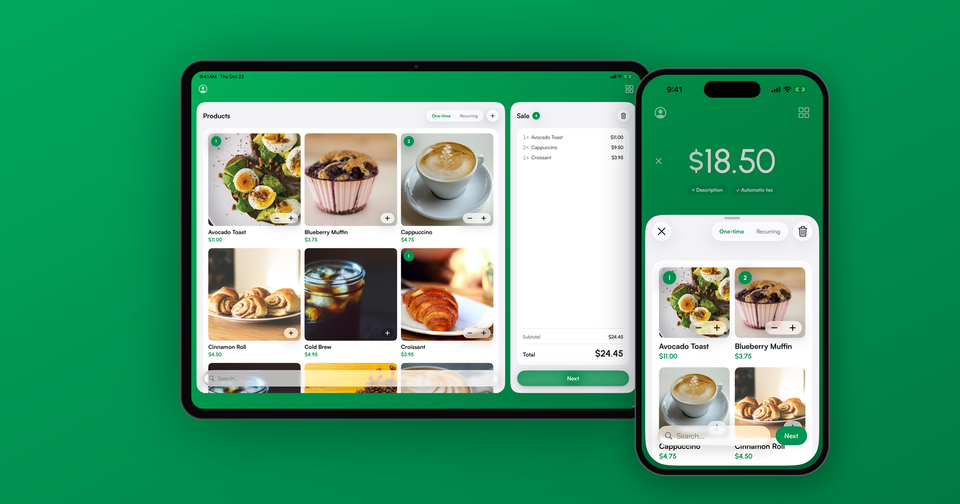
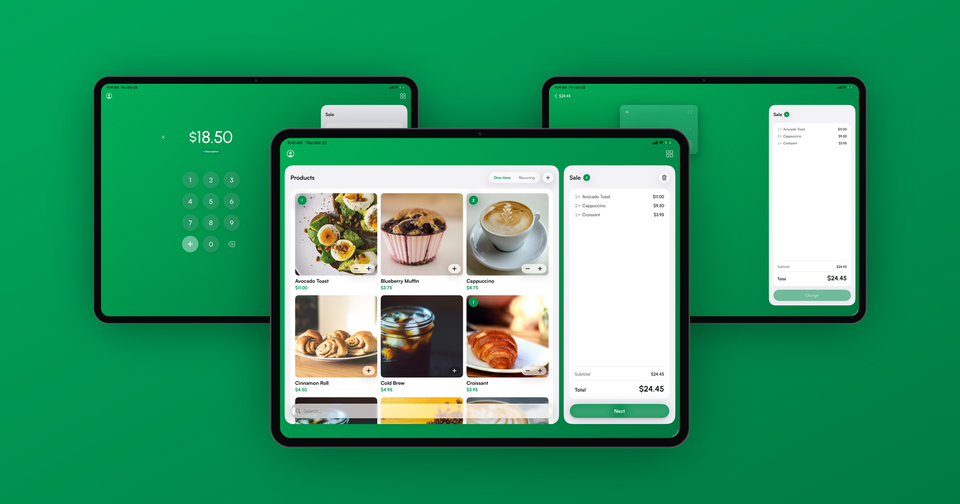
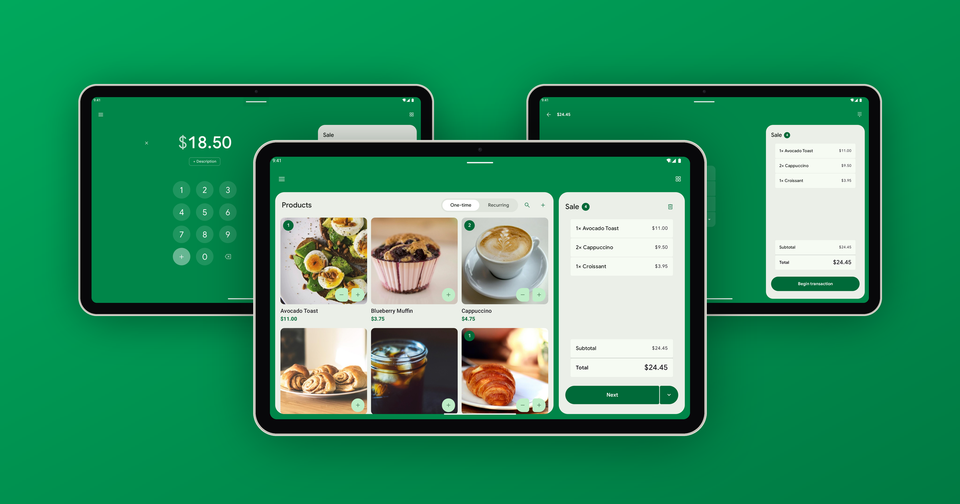
- Take payments in person when you can. Chip and contactless payments verify the card was present, which both reduces disputes and strengthens your evidence when they happen.
- Refund suspicious charges proactively. A fully refunded payment cannot be disputed, so a $50 refund can save you $65.
- Respond to every dispute. Even weak evidence beats none, and no-response is an automatic loss.
Stripe Radar also screens every charge for fraud before it happens, which we covered in our post on tracking down card declines.
Related reading on the friendlier version of money going back: understanding the Stripe refund process.
Taking payments in person is the strongest dispute defense there is, because a chip or contactless payment proves the card was in the room. See the card readers that work with the Payment app.